Photo by Trương Tuyết Ly on Unsplash
Social customer care is customer support delivered through your social channels: comments, mentions and direct messages. It works when one team owns every message, replies inside a stated window, moves personal detail into private messages and measures resolution rather than speed alone. Brands that treat it as part of marketing and support together get the best results, and that is how we approach social media management at Vertical Brands.
TL;DR
- Social customer care means resolving questions and complaints on social platforms, in public comments and private messages, not just posting content.
- McKinsey reports that customers spend 20 to 40 percent more with companies that respond to service requests on social media, and that non-responders see a 15 percent higher churn rate.
- Set a first-response standard (one hour in working hours is a common, workable target), a clear owner for every message and an escalation path for anything still open.
- Measure resolution, repeat contacts and satisfaction alongside response time. A fast reply that solves nothing does not count.
- Marketing and support need one shared process, or customers fall between the two teams.
Table of Contents
- What social customer care actually covers
- Why it is worth the effort
- Building a social support strategy
- Response standards that hold up
- Social DM support: when to move a conversation private
- Handling complaints, abuse and crises
- Measuring what matters
- What good looks like: UK examples
- Perspective: why care and growth belong in one plan
- Getting this running with Vertical
- A 30-day plan to start
- FAQ
- Sources
What social customer care actually covers
The phrase covers more than a team answering complaints on X. In practice it has three layers:
- Reactive support. Someone asks where their order is, tags you in a complaint, or sends a DM about a faulty product. You resolve it.
- Proactive care. You spot a problem (a delayed delivery, a confusing sizing chart) and speak first, before the complaints stack up.
- Relationship care. Consistent, human replies to ordinary comments that build trust even when nobody has asked for help.
The first layer is transactional and the third is relational. Most brands need both, because customers judge you on the whole run of interactions, not on one ticket.
Social care also sits in public view. McKinsey’s authors describe customer service as now a public affair: poor service is no longer settled privately through call centres and email but is laid bare on social media. That cuts both ways. A well-handled complaint is visible proof that you look after people.
Why it is worth the effort
The commercial case is clearer than most brands assume.
- McKinsey’s finding, quoted above, ties responsiveness on social directly to spend and churn.
- Shopify’s UK team reports that 40% of consumers expect brands to solve problems on their favourite channels.
- Sprout Social’s 2025 index found that 73% of consumers expect a response within 24 hours or sooner.
- A February 2026 eDesk analysis found that around 38% of support interactions happen in public forums, and that customers whose problem is resolved publicly are twice as likely to complete a purchase.
For an eCommerce brand, that last point matters most. Your comment section is part of your product page. Prospects read the replies under your ads before they buy, which is why the people running paid social and the people answering comments need the same information. If you run paid campaigns, our guide to paid social management for D2C brands shows how the two connect.
Building a social support strategy
Choose platforms and service windows
Do not try to cover every network. McKinsey advises defining platforms and service windows from three inputs: customer demographics, service expectations and your existing brand presence. Then align the window to the platform’s character. A fast-moving channel like X needs a tighter window than a slower channel where people expect an answer later in the day.
A practical way to decide:
- Count where support messages already arrive today, by platform, over the last 90 days.
- Note which platforms your paid ads run on, since ads generate comments that need replies.
- Pick the two or three channels with the most volume and commit to them properly.
- Say on each profile what hours you answer in, so nobody waits in silence.
Decide who owns what
This is where most brands go wrong. Social usually belongs to marketing, while support belongs to customer service, and a customer who messages Instagram about a late parcel lands in neither queue. McKinsey notes that a combined response-and-resolution team tends to work best.
A split that works for most small and mid-sized brands:
| Task | Owner |
|---|---|
| Community replies, product questions, positive comments | Social team |
| Order, delivery, returns and account issues | Support team, working in the same inbox |
| Complaints with legal, safety or press risk | Named senior person |
| Ad comments and hiding abuse | Paid social lead, with a house policy |
| Monthly review of themes and fixes | Both, with ecommerce or ops |
One shared inbox and one set of tags matter more than the exact org chart. If your helpdesk is already in place, our comparison of Gorgias and Zendesk helps you judge which fits a store.
Response standards that hold up
Customers have no patience for vague promises, so set numbers and keep them.
McKinsey describes best-practice service windows as covering key platforms around the clock, with a first response in under 15 minutes. It adds that basic queries should resolve faster than requests and complaints, which can take up to two days depending on complexity. That is the ceiling of ambition, and few brands start there.
UK consumer expectations are more forgiving. A NapoleonCat and Norstat study of UK consumers found that around 50% of people who contact brands on social expect a reply within five hours, while 12 to 14% expect one within 30 minutes. Expectations are also rising: Social Media Today’s 2017 report found 72% of X complainants expected an answer within an hour.
A sensible starting standard for a UK brand:
- First reply: within one hour in published working hours.
- Public complaint: acknowledge publicly, then move to DM within two exchanges when personal detail is needed.
- Open after four hours: escalate to a named person.
- Out of hours: an honest note of when you will reply, not silence.
Then keep to it. A commitment you meet every time builds more trust than a fast average nobody can rely on.
Triage by urgency, not by arrival order
Sort every message into three tiers when it arrives:
- Urgent: safety concerns, fraud, a viral complaint, a regulator or journalist tagged in. These go to a senior person immediately. McKinsey warns that content can go viral quickly and that disgruntled customers tag regulatory bodies in their posts, which is a real risk in regulated sectors.
- Standard: order status, returns, product problems. Resolve inside your window.
- Light: praise, general comments, questions with a published answer. Reply warmly and briefly.
Social DM support: when to move a conversation private
A public post is the right place to show you have seen the problem. A direct message is the right place to solve it. The handoff works best when it follows a few rules.
Reply publicly first, and quickly. Acknowledge the issue in a sentence, apologise where it is warranted and say you are moving to DM. Other customers read this, so tone matters as much as speed.
Move to DM whenever you need personal data. Order numbers, email addresses, phone numbers, delivery addresses and payment queries should never be typed into a comment thread. Ask the customer to message you and do not request those details in public. Handling personal data carefully is also a UK GDPR duty, so write the rule into your house policy.
Do not make people repeat themselves. The DM agent should see the original post, the customer’s order history and any earlier contact. This is the strongest argument for one shared inbox. Without it, the customer explains the problem three times and the public thread stays unresolved.
Close the loop in public. Where the customer agrees, a short public follow-up (“sorted, thanks for your patience”) shows everyone the outcome. Eddesk’s finding on public resolution, cited above, suggests this is worth doing.
Keep some conversations public. A simple product question with a general answer is useful to everyone reading. Moving it to DM wastes the opportunity and adds a step.
Write reply templates as starting points. Saved replies speed up the first answer, but each one needs a name, the specific issue and a clear next step. A copy-pasted apology is easy to spot and makes a complaint worse.

Handling complaints, abuse and crises
Decide in advance what you will do in three situations, because they will arrive on a bad day:
- A fair complaint gaining traction. Respond publicly, take ownership, move to DM, resolve and follow up. Have an escalation owner who can authorise a refund or replacement without a chain of approvals.
- Abuse or spam. Write a short comment policy, apply it consistently and hide or report only what breaks it. Removing criticism you simply dislike tends to make it louder.
- A wider incident, such as a product fault or delivery failure affecting many customers. Publish one clear statement, pin it, and give the support team the same wording so replies do not contradict each other.
McKinsey’s point that a small isolated issue can become a PR problem fast is the reason for having these paths written down before you need them.
Measuring what matters
Response time is the easy number, and it flatters you if used alone. Track a small set of measures together:
- Average first response time and average resolution time
- First-contact resolution rate
- Repeat contacts on the same issue
- Escalation rate
- Customer satisfaction after resolution
- Sentiment in comments and mentions
- Volume by topic, which tells you what to fix in the product, site or delivery process
BT is a useful UK model. A case study published by the Market Research Society describes BT working out the return on social service by looking at unique customers, resolution rates and operational cost per channel, separating social from other channels, and also tracking call deflection and customer channel preferences. The same logic applies to a smaller brand: compare the cost and resolution of social against email and phone, and you can see what the channel earns.
The topic report matters most. If a third of your DMs ask where the parcel is, the answer is a better tracking email, not a faster reply. That is where support data feeds your lifecycle programme, which we cover in customer retention marketing strategies and how to increase repeat purchase rate.
What good looks like: UK examples
- British Gas set up a dedicated social customer care team of 14 in Leeds, trained to handle queries and complaints, working extended hours including Christmas Day, according to a 2014 Centrica case study. The lesson: a named, trained team beats a rota of whoever is free.
- Severn Trent Water reported a 20% rise in customer satisfaction and a doubling of agent efficiency after adding social messaging channels including WhatsApp, as described in Diginomica’s 2020 report. The lesson: private messaging can lower effort for both sides.
- Spotify trains agents on email first, because those queries are payment and account related with a 24-hour expectation, and only moves people with strong quality scores to the more urgent social work, as Social Media Today reported in 2016. The lesson: social agents need writing skill and account knowledge before they face the public.
Perspective: why care and growth belong in one plan
Most brands we speak to run social in two halves. One team buys ads and posts content. Another team, somewhere else, handles support. The customer sees one brand, and so should the process behind it.
When an ad starts to perform, comments multiply. Questions about delivery, sizing and returns arrive under the creative, and every unanswered one costs conversion. That is why we think of social media management, paid social and CRM as a single system rather than three vendors who rarely talk.
Our view is simple. Give every message an owner, publish a response window, move personal detail into DMs, and use what customers ask to improve the product page, the ad and the email flow. Clarity beats complexity every time.
Alex
Getting this running with Vertical
If you want social care built into your wider growth plan, we bring strategy, creative, performance marketing and web development together under one roof, with a small, experienced team. Our social media management service sits alongside paid social, email, CRM and eCommerce management, so what customers say in comments informs your ads, flows and site.
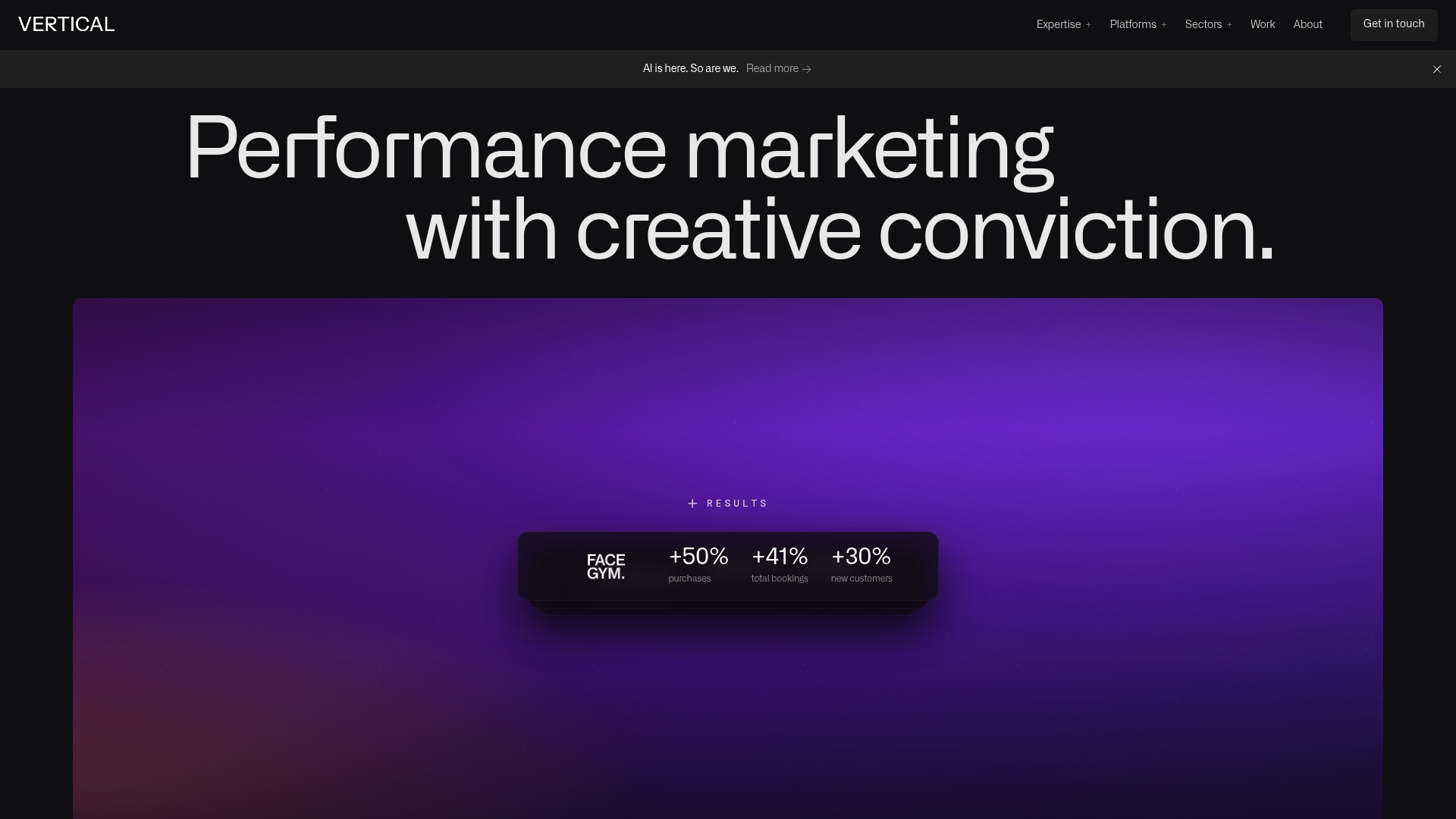
The results come from joining the pieces. FACEGYM saw a 50% increase in purchases and a 41% rise in bookings working with us, and you can read more in our client results deep dive. To talk through your channels, response standards and team set-up, start with our growth consulting.
A 30-day plan to start
Week 1: audit. Export the last 90 days of comments, mentions and DMs. Tag them by topic, platform and outcome. Note how many went unanswered and how long replies took.

Week 2: set the rules. Write the response standard, the triage tiers, the DM handoff rule and the escalation path on one page. Name an owner for each.
Week 3: build the workflow. Put all channels in one inbox, create tags, write a handful of saved replies and set alerts for new messages and tagged mentions.
Week 4: launch and review. Publish your hours on each profile, start tracking the measures above and hold a short review at the end of the month. Fix the top three recurring causes first.
FAQ
What is the difference between social customer care and social customer service?
Customer service is transactional: resolve a specific query or complaint as efficiently as possible. Customer care is wider and relational, adding proactive outreach, empathy and consistent engagement that builds long-term trust. In practice most brands need both, run by the same team.
How fast should we reply on social media?
For most UK brands, one hour in published working hours is a realistic first-reply standard. Research with UK consumers found about half expect a reply within five hours, though a smaller share expect it within 30 minutes. Whatever you choose, publish it and meet it.
When should a social conversation move to DM?
Move to DM as soon as you need personal or account details such as order numbers, addresses or payment information. Acknowledge the issue publicly first, then continue privately, and close the loop in public once it is solved. General product questions can stay public so others benefit from the answer.
Should marketing or support own social customer care?
Ideally both work from one process. Marketing often owns content and community while support owns resolutions, and a shared inbox, shared tags and a named escalation owner stop messages falling between the two.
Sources
- McKinsey: Effective end-to-end customer service with social media
- Shopify UK: Social media customer service
- Sprout Social: Social media customer service
- eDesk data on public support interactions
- NapoleonCat: Social media response time
- Social Media Today: Consumer expectations rising on social customer care
- Market Research Society: BT social media case study
- Centrica: Social customer service, the people behind the tweets
- Diginomica: Severn Trent Water social messaging
- Social Media Today: Spotify social customer service